
Английский язык 6 класс учебник Баранова, Дули ответы – страница 117
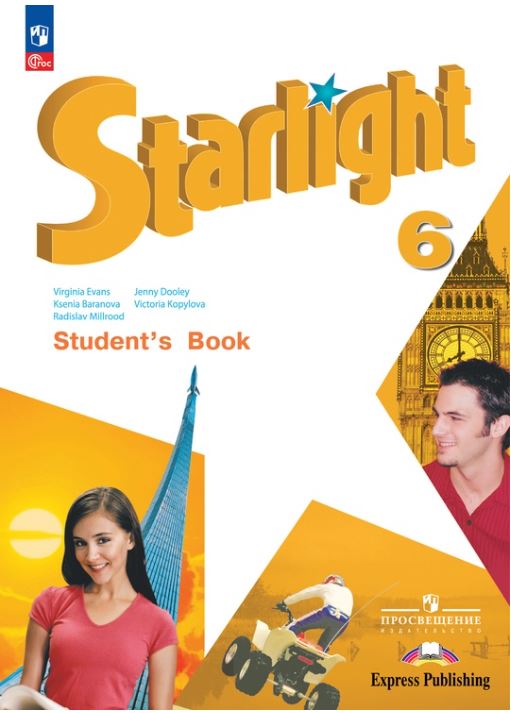
- Тип: ГДЗ, Решебник.
- Авторы: Баранова К. М., Дули Д., Копылова В. В.
- Часть: без частей
- Год: 2023.
- Серия: Школа России (ФГОС).
- Издательство: Просвещение.

Revision 3 — Пересмотр 3
Упражнение 1.
Complete with: incredible, locals, won. discovered, settled, lifetime, voyage, accurate, empire, legend. — Заполните пропуски словами: невероятный, местные жители, завоеванный, открытый, заселенный, жизнь, путешествие, точный, империя, легенда.
1 Alexander the Great created a huge empire and ... a place in history.
2 Genghis Khan's Mongolian ... stretched from Hungary to Korea.
3 Mozart was an (n) ... musician and composed his first concerto at the age of five.
4 Da Vinci's maps are extremely accurate and show every detail.
5 According to ..., the city of Atlantis sank into the sea after a huge earthquake.
6 The Pilgrims ... in an area near the sea and built a town called Plymouth.
7 The early Pilgrims voyage made a long ... on the Mayflower to reach America.
8 The giant terrified the ..., stealing their sheep and eating people.
9 Henry Carter ... the lost tomb of Tutankhamun.
10 Julius Caesar achieved many things in his ... .
1 Alexander the Great created a huge empire and won a place in history. — Александр Македонский создал огромную империю и завоевал место в истории.
2 Genghis Khan's Mongolian empire stretched from Hungary to Korea. — Монгольская империя Чингисхана простиралась от Венгрии до Кореи.
3 Mozart was an incredible musician and composed his first concerto at the age of five. — Моцарт был выдающимся музыкантом и сочинил свой первый концерт в возрасте пяти лет.
4 Da Vinci's maps are extremely accurate and show every detail. — Карты Да Винчи чрезвычайно точны и показывают каждую деталь.
5 According to legend, the city of Atlantis sank into the sea after a huge earthquake. — Согласно легенде, город Атлантида погрузился в море после сильного землетрясения.
6 The Pilgrims settled in an area near the sea and built a town called Plymouth. — Пилигримы поселились в районе у моря и построили город под названием Плимут.
7 The early Pilgrims voyage made a long voyage on the Mayflower to reach America. — Первые пилигримы совершили долгое путешествие на корабле "Мэйфлауэр", чтобы добраться до Америки.
8 The giant terrified the locals, stealing their sheep and eating people. — Великан наводил ужас на местных жителей, угоняя их овец и поедая людей.
9 Henry Carter discovered the lost tomb of Tutankhamun. — Генри Картер обнаружил затерянную гробницу Тутанхамона.
10 Julius Caesar achieved many things in his lifetime. — Юлий Цезарь многого добился за свою жизнь.
10 x 2 = 20 points (очков)
Упражнение 2.
Complete the sentences with the Past Simple or the Past Continuous forms of the verbs in brackets. — Завершите предложения формами глаголов в прошедшем простом или прошедшем непрерывном времени, заключенными в квадратные скобки.
1 A: How ... (the Pilgrims / survive) their first winter?
B: The natives ... (teach) them how to hunt and grow crops.
2 A: Who ... (kill) Alexander the Great?
B: Nobody. He ... (die) of a fever.
3 A: ... (the children / watch) TV when you called?
B: No. They ... (have) lunch.
4 A: Einstein ... (not / start) to speak until he was three years old.
B: Really? I ... (not / know) that.
5 A: How ... (you / burn) the chips?
B: The phone ... (ring) when I ... (cook) thorn.
10 x 2 = 20 points (очков)
1 A: How did the Pilgrims survive their first winter? — Как пилигримы пережили свою первую зиму?
B: The natives taught them how to hunt and grow crops. — Местные жители научили их охотиться и выращивать урожай.
2 A: Who killed Alexander the Great? — Кто убил Александра Македонского?
B: Nobody. He died of a fever. — Никто. Он умер от лихорадки.
3 A: Were the children watching TV when you called? — Дети смотрели телевизор, когда вы позвонили?
B: No. They were having lunch. — Нет. Они обедали.
4 A: Einstein didn't start to speak until he was three years old. — Эйнштейн начал говорить, только когда ему исполнилось три года.
B: Really? I didn't know that. — Правда? Я этого не знал.
5 A: How did you burn the chips? — Как у вас подгорели чипсы?
B: The phone rang when I was cooking thorn. — Когда я готовил "торн", зазвонил телефон.
Упражнение 3.
Match the exchanges. — Сопоставьте обмены.
1 How was your weekend?
2 That sounds like a lot of fun.
3 Where did you go?
4 When did she die?
5 Did you have a nice time?
A In 1934.
В Yes, I did, thanks.
C It was great, thanks.
D We went to the zoo.
E It was.
5 x 4 = 20 points (очков)
1 How was your weekend? — С It was great, thanks. — Как прошли ваши выходные? — Это было великолепно, спасибо.
2 That sounds like a lot of fun. — E It was. — Звучит очень весело. — Да, это так.
3 Where did you go? — D We went to the zoo. — Где вы были? — Мы ходили в зоопарк.
4 When did she die? — A In 1934. — Когда она умерла? — В 1934 году.
5 Did you have a nice time? — B Yes, I did, thanks. — Вы хорошо провели время? — Да, так и есть.
Упражнение 4.
Read the text and answer the questions. — Прочтите текст и ответьте на вопросы.
Pyotr Kapitsa was a famous Russian physicist. He was born on 8th July, 1894 in Kronstadt. — Петр Капица был известным русским физиком. Он родился 8 июля 1894 года в Кронштадте.
When he was a student, he stopped his studies to work as an ambulance driver during WWI. He graduated in 1918 and then moved to England to work with Ernest Rutherford. He made a number of discoveries related to magnetic fields and became a Fellow of the Royal Society in 1929. He started doing research in low temperatures in the 1930s which led to his discovery of superfluidity in 1937. He helped to start the Moscow Institute of Physics and Technology and he taught there for many years. From 1957, he was a member of the Soviet Academy of Sciences. He won the Nobel Prize in Physics in 1978 for his work in 1937. — Когда он был студентом, то бросил учебу, чтобы поработать водителем скорой помощи во время Первой Мировой Войны. Он окончил университет в 1918 году, а затем переехал в Англию, чтобы работать с Эрнестом Резерфордом. Он сделал ряд открытий, связанных с магнитными полями, и в 1929 году стал членом Королевского общества. В 1930-х годах он начал заниматься исследованиями низких температур, которые привели к его открытию сверхтекучести в 1937 году. Он помог основать Московский физико-технический институт и много лет преподавал там. С 1957 года он был членом Академии наук СССР. В 1978 году он получил Нобелевскую премию по физике за свою работу 1937 года.
Kapitsa died on 8th April, 1984, but people remember him as a great physicist and his discoveries are still very important in astrophysics. — Капица умер 8 апреля 1984 года, но люди помнят его как великого физика, и его открытия по-прежнему очень важны в астрофизике.
5 x 4 = 20 points (очков)
Номер 1.
Where was Kapitsa born? — Где родился Капица?
Ответ:Kapitsa was born on 8th July, in 1894. — Капица родился 8 июля 1894 года.
Номер 2.
Why did he stop his studies? ... — Почему он прекратил учебу? ...
Ответ:Because he worked as an ambulance driver during WW1. — Потому что во время Первой мировой войны он работал водителем скорой помощи.
Номер 3.
Where did he teach? ... — Где он преподавал? ...
Ответ:Kapitsa taught at the Moscow Institute of Physics and Technology. — Капица преподавал в Московском физико-техническом институте.
Номер 4.
What did he win in 1978? ... — Какую награду он получил в 1978 году? ...
Ответ:Kapitsa won the Nobel Prize in Physics. — Капица получил Нобелевскую премию по физике.
Номер 5.
When did he die? ... — Когда он умер? ...
Ответ:He died on 8th April, 1984. — Он умер 8 апреля 1984 года.
Упражнение 5.
Write a short biography of a famous person from your country. Write: who they were, when & where they were born, the main events / achievements in their life, when they died (80–100 words). — Напишите краткую биографию известного человека из вашей страны. Напишите: кем он был, когда и где родился, основные события / достижения в его жизни, когда он умер (80–100 слов).
20 points — 20 очков
Total 100 points — Всего 100 очков
Dmitry Ivanovich Mendeleev was born in 1834 in Tobolsk, in the Russian Empire. — Дмитрий Иванович Менделеев родился в 1834 году в Тобольске, в Российской империи.
Mendeleev was the seventeenth child in the family. Mendeleev was a great chemist and physicist. In 1841, he entered the Tobolsk Classical Gymnasium. Mendeleev was married twice. In 1855, he graduated with a gold medal from the Main Pedagogical Institute in St. Petersburg. He taught natural sciences at the Simferopol Gymnasium. In 1860 he participated in the first International Chemical Congress in Karlsruhe. Mendeleev discovered the periodic law of chemical elements in 1869. — Менделеев был семнадцатым ребенком в семье. Менделеев был великим химиком и физиком. В 1841 году он поступил в Тобольскую классическую гимназию. Менделеев был женат дважды. В 1855 году он окончил с золотой медалью Главный педагогический институт в Санкт-Петербурге. Преподавал естественные науки в Симферопольской гимназии. В 1860 году он участвовал в первом Международном химическом конгрессе в Карлсруэ. Менделеев открыл периодический закон химических элементов в 1869 году.
Mendeleev died in 1907. — Менделеев умер в 1907 году.
С подпиской рекламы не будет
Подключите премиум подписку со скидкой в 40% за 149 ₽






Напишите свой комментарий.